




Cultural perceptions of gambling How beliefs shape behavior and choices
The Historical Context of Gambling
Throughout history, gambling has held a prominent place in various cultures around the world. The origins of gambling can be traced back to ancient civilizations, where games of chance were often linked with religious practices and rituals. In many cultures, gambling was seen not just as a form of entertainment, but as a way to engage with the divine or to make decisions, highlighting the intertwining of belief systems and gaming behaviors. For instance, dice have been found in archaeological sites dating back thousands of years, demonstrating that the allure of chance has been present for millennia. Moreover, players can discover exciting online options, such as mafiacasino-canada.co/, which enhances the modern gaming experience.
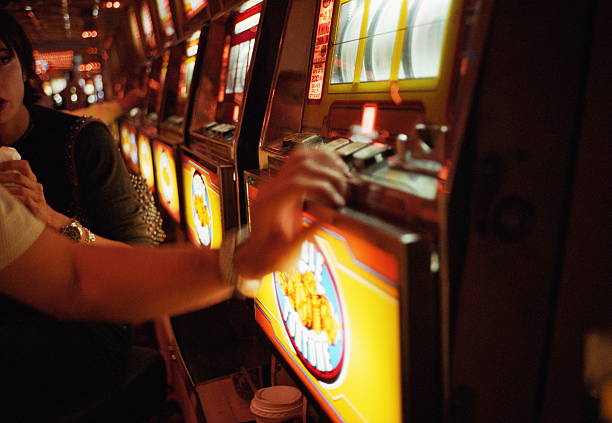
As societies evolved, so did the perception of gambling. In some cultures, it became a rite of passage or a traditional activity associated with celebrations and festivals. For example, in various Native American tribes, gambling games are often part of communal gatherings and are viewed as an essential aspect of their cultural heritage. Conversely, in other cultures, gambling has been met with disdain, often associated with moral decay or social issues. These historical narratives shape modern beliefs about gambling, influencing how people perceive its risks and rewards today.
Understanding the historical context of gambling can provide insights into current attitudes and behaviors. Different societies carry forward their historical beliefs, and this manifests in their contemporary gambling practices. For instance, regions with a rich gambling history, like Las Vegas or Macau, have embraced it as a major economic driver, whereas areas with stricter historical views may impose harsher regulations. This dichotomy influences not only individual choices but also national policies regarding gambling.
Religious and Spiritual Influences
Religious beliefs profoundly impact cultural perceptions of gambling, often dictating whether it is embraced or condemned. In many faiths, gambling is viewed through a moral lens, where actions are deemed acceptable or sinful based on religious doctrine. For example, certain interpretations of Christianity discourage gambling, associating it with greed and the potential for addiction. In contrast, some Buddhist cultures may view gambling as a test of karma, seeing it as an opportunity for spiritual growth and understanding the nature of desire.
The spiritual significance of gambling can also be observed in indigenous cultures where games of chance are played as part of rituals to seek guidance from ancestors or deities. These practices can serve a dual purpose of entertainment and spiritual communion, reflecting a belief that luck and fate are intertwined with a higher power. Thus, religious and spiritual influences create varied perceptions of gambling, shaping both communal attitudes and individual behaviors.
Moreover, as globalization connects diverse cultures, these varied beliefs interact, leading to evolving attitudes toward gambling. For instance, in multicultural societies, individuals may adopt a more nuanced view of gambling, blending their cultural heritage with new perspectives. This integration can lead to increased participation in gambling activities, although it may also provoke conflicts over moral and ethical considerations. The dynamic interplay of religion and gambling beliefs continues to influence choices at both personal and societal levels.
Psychological Factors and Behavioral Influences
Beliefs surrounding gambling are often tied to psychological factors that shape behavior and decision-making. The perception of luck, for example, plays a significant role in how individuals approach gambling. Those who believe in luck may engage more frequently in gambling activities, driven by the hope of striking it rich. This perception can be reinforced by winning experiences, which create a feedback loop that encourages further participation. Conversely, individuals who view gambling as a calculated risk may approach it more cautiously, weighing the odds before committing their resources.
Additionally, cognitive biases can significantly influence gambling behavior. The illusion of control, where individuals believe they can influence outcomes through skill or strategy, leads many to gamble despite the inherent randomness of games. This psychological phenomenon is often exacerbated in environments that promote gambling, such as casinos, where the ambiance and the presence of other players can heighten the sense of excitement and perceived control. Such factors can drive individuals to make choices that contradict their better judgment, leading to problematic gambling behavior.
The relationship between belief and behavior can also be seen through the lens of social norms. In communities where gambling is socially accepted or encouraged, individuals may feel pressured to conform, leading to increased participation. This social influence is particularly potent among younger populations who may seek acceptance from peers. As a result, beliefs about gambling are not merely personal; they are shaped by broader social contexts that affect choices and behaviors, creating a complex web of influences that govern gambling practices.
The Impact of Media and Pop Culture
Media portrayal of gambling significantly shapes cultural perceptions and influences behavior. From films that glamorize high-stakes gambling to television shows that depict the lifestyles of professional gamblers, the media presents a curated image that can romanticize gambling. These representations can foster unrealistic expectations about the ease of winning and the associated lifestyle, prompting individuals to engage with gambling in hopes of mirroring these portrayals. As such, the media plays a pivotal role in framing gambling as a desirable or aspirational activity.
Moreover, the rise of online gambling platforms has transformed the way people perceive and engage with gambling. Digital media often promotes gambling as an accessible and convenient form of entertainment, stripping away some of the social stigmas associated with traditional gambling venues. Advertisements emphasizing bonuses and promotions can entice new players, leading to increased participation across various demographic groups. This shift in perception can alter community norms and influence individual choices, as more people view online gambling as a standard form of leisure.
Pop culture references often glorify the thrill of gambling, reinforcing beliefs that align winning with personal success. These narratives can overshadow the risks involved, leading individuals to underestimate potential negative consequences. As a result, the media’s influence can create a culture of overconfidence, where individuals engage in gambling activities without fully understanding the risks, impacting their overall choices and behaviors related to gambling.

Exploring Online Gambling and Modern Beliefs
The advent of online gambling has introduced a new dimension to cultural perceptions of gambling. With platforms like Mafia Casino offering a vast array of games, players have unprecedented access to gambling opportunities. This accessibility has shaped modern beliefs, making gambling a more normalized activity. The convenience of playing from home can diminish the perceived stigma associated with gambling, as individuals can engage in the activity privately and without immediate social judgment.
Furthermore, online gambling has become increasingly integrated into social interactions, with features like live dealer games that simulate the atmosphere of a traditional casino. This blending of digital and social experiences can reinforce the belief that gambling is an acceptable and enjoyable pastime, particularly among younger generations who are accustomed to digital engagement. As such, modern beliefs about gambling are influenced not only by traditional cultural perceptions but also by the evolving landscape of technology and social interaction.
Moreover, online gambling platforms often implement measures to promote responsible gambling, which reflects a growing awareness of the risks involved. As more players engage with these platforms, the emphasis on responsible gaming practices can shape attitudes and beliefs about gambling. By fostering a culture that values informed choices and self-regulation, the online gambling industry can influence how individuals perceive their engagement with gambling, potentially leading to healthier behaviors and choices.